Books
Two books that carry the same idea into long form: learning is hard on purpose, and that is where it starts. A companion pair, one for the learner, one for the person who builds the learning.
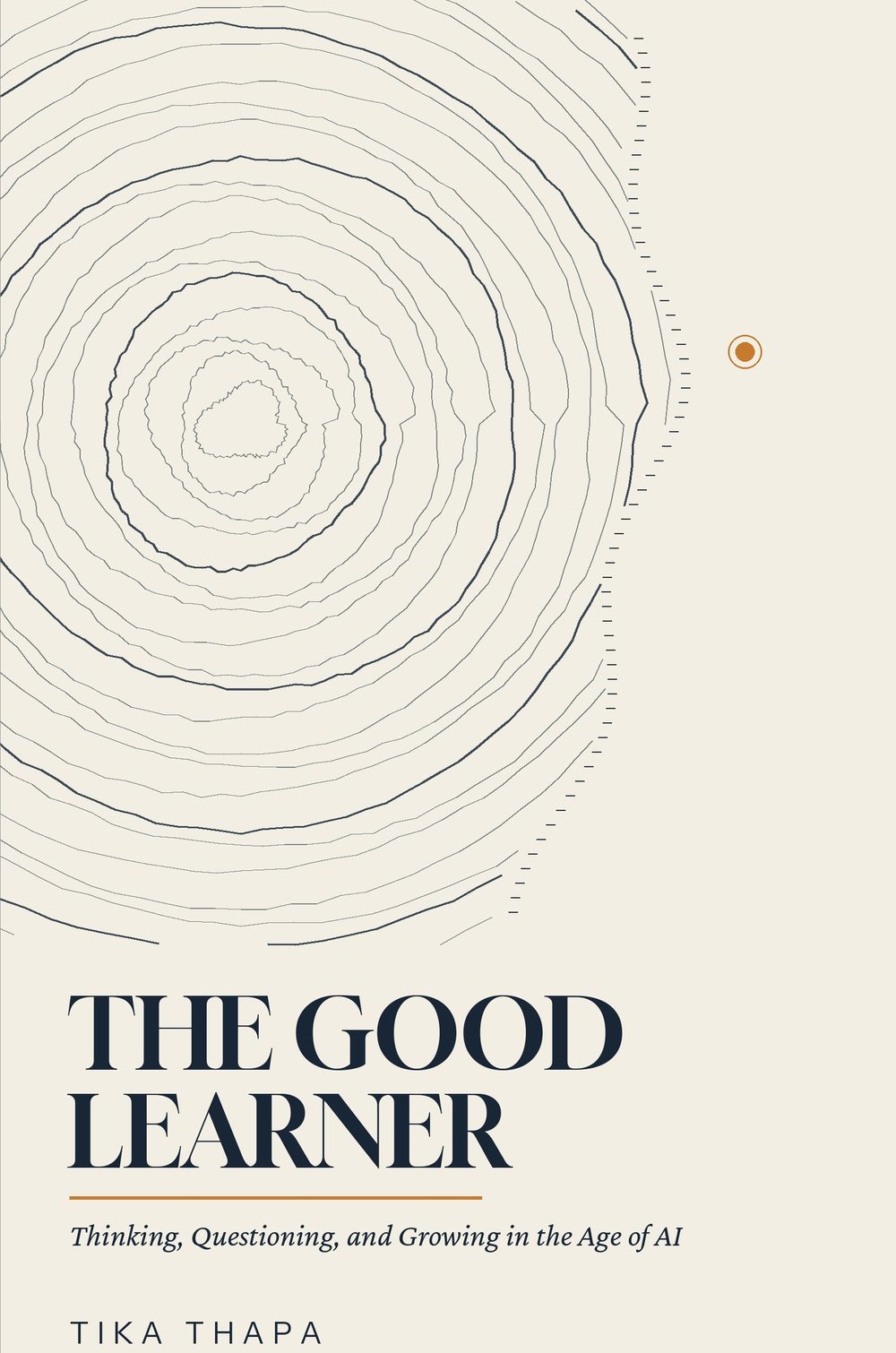
“AI is powerful enough that refusing it blindly is risky, and imperfect enough that using it blindly is risky too. The good learner does neither.”
What it is
A book about the one skill machines can’t price, knowing how to learn. Part memoir from a one-room classroom in a fly-in First Nation community, part plain-language guide to AI, part learning science, held together by a single question: what does it mean to be a good learner now that machines write fluently?
The problem it takes on
The public argument gives only two answers, embrace AI everywhere, or keep it out. Both are useless where a real learner is sitting. The book charts a third path: let AI carry what is merely heavy, and keep, on purpose, the difficulty that makes you stronger.
Who it’s for
Students wondering what’s left to master; teachers tired of choosing between banning and pretending; and parents, mentors, and mid-career professionals learning new things while the tools change monthly.
“AI can carry the pack. It cannot walk the trail for you.”
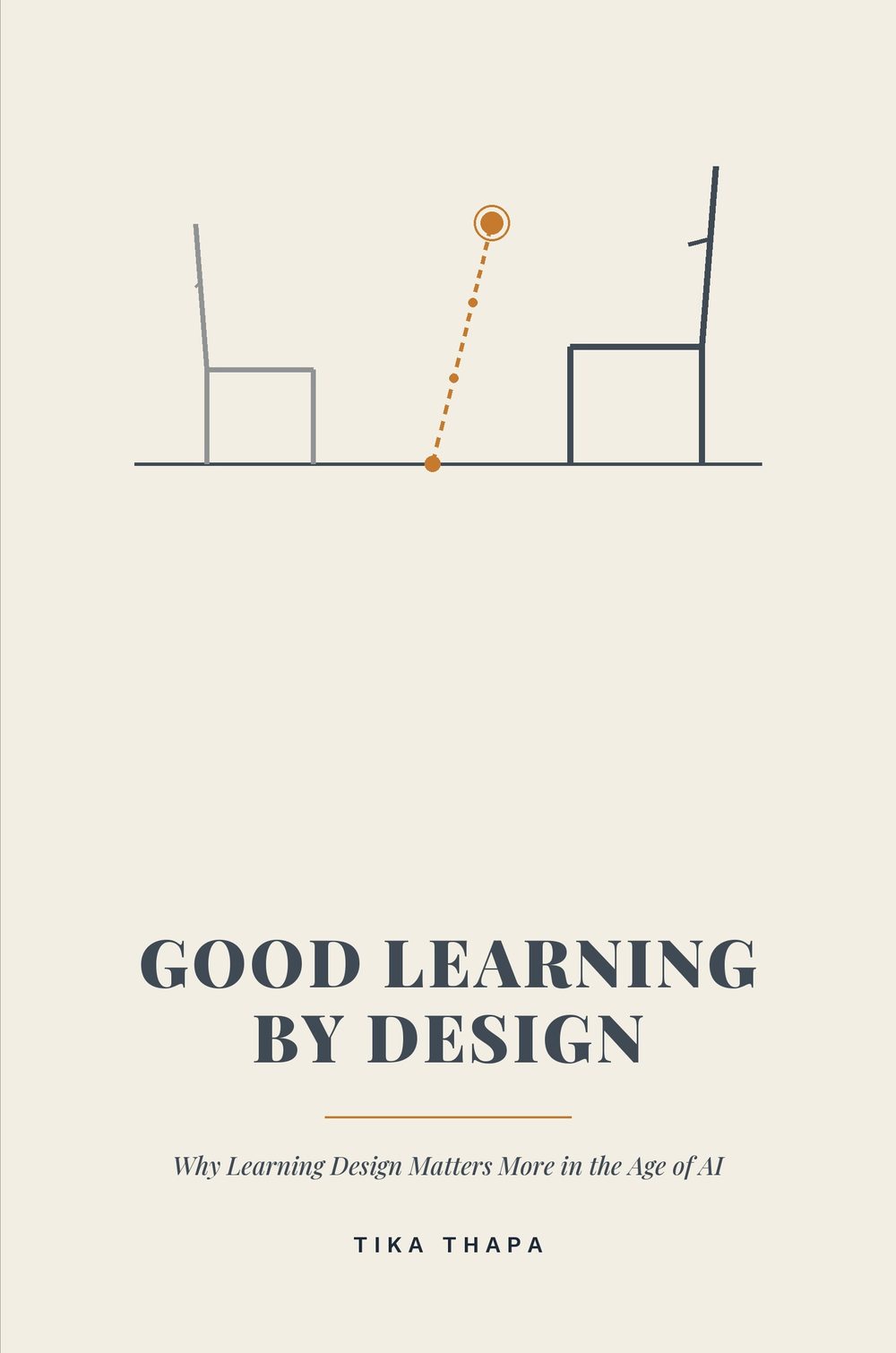
“AI can generate a course’s worth of content before the kettle boils. It still cannot tell a tired learner, at nine o’clock, what to do next. That gap is the whole job.”
What it is
The companion to The Good Learner, written from the other chair, the one held by whoever is responsible for someone else’s learning. Its claim: content was never the product. The path, the practice, the feedback loop, and the transfer are the work no platform can hold.
The problem it takes on
Organizations are filling their platforms with fluent, machine-made content and calling it learning, while telling teachers, designers, and trainers their craft has been automated. It hasn’t. The part a machine can do was never the valuable part.
Who it’s for
Teachers, instructional designers, trainers, and coaches, anyone responsible for building the path a real learner actually walks.
“AI can haul the gravel. It cannot decide where the trail goes.”